
THE VALLEY JOURNAL NEWS TEAM
BAYOMBONG, Nueva Vizcaya—In a decision that has reverberated across this province and beyond, the Provincial Prosecutor’s Office here on January 26, 2026 dismissed every criminal charge filed by the Philippine National Police (PNP) against seven members of a local anti‑mining coalition.
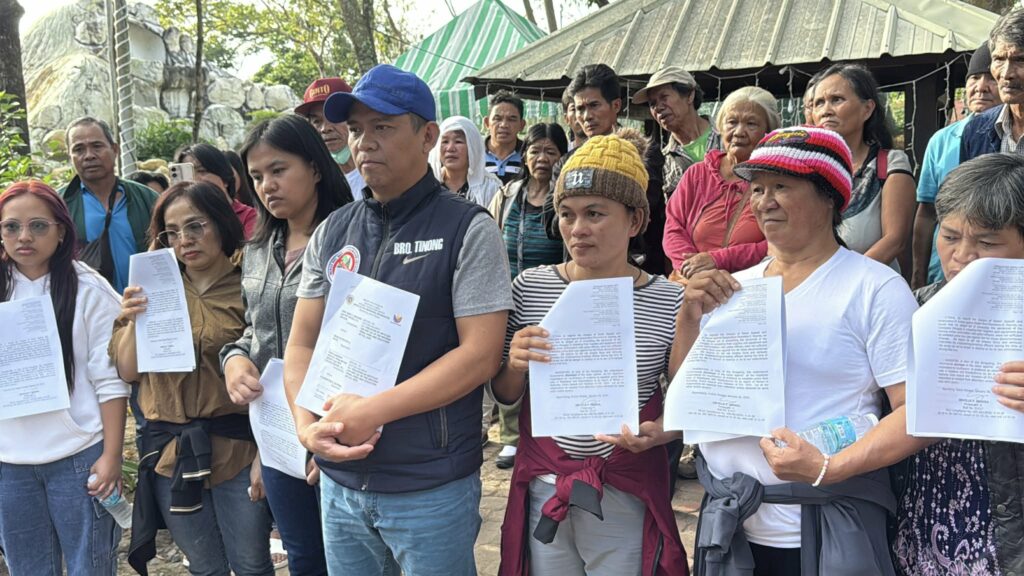
The group—six women and their leader, Florentino Daynos—had been taken into custody on January 23 in Sitio Keon, Barangay Bitnong, Dupax del Norte, after allegedly obstructing the enforcement of a writ of preliminary injunction that ordered the removal of barricades blocking a mining company’s access road to its exploration site.
The seven were initially charged with three separate offenses: Direct Assault, Resistance and Disobedience to a Person in Authority, and Obstruction of Justice. Prosecutors claimed that the human barricade they formed violated a January 19 order issued by Judge Paul Attolba Jr. of Regional Trial Court (RTC) Branch 30, which mandated the clearing of any obstruction on the contested road network.
However, after a thorough review of the evidence, Prosecutor Orville Ibarra issued a consolidated resolution stating that the case record “lacked sufficient evidentiary basis to sustain any of the charges.” He highlighted two critical points: the exact location where the writ was purportedly enforced was ambiguous—whether on a public barangay road or on private land owned by the protesters and their supporters; and the gathering, while large, was “a peaceful exercise of constitutional rights to free expression and assembly.”
“The law protects the right of citizens to voice their concerns, especially on matters that affect their environment and livelihood,” Ibarra wrote. “Absent clear proof that the accused committed any act of violence or willful disobedience, the charges cannot stand.” Consequently, the prosecutor ordered the immediate release of all seven detainees and directed that no further criminal action be pursued based on the same facts.
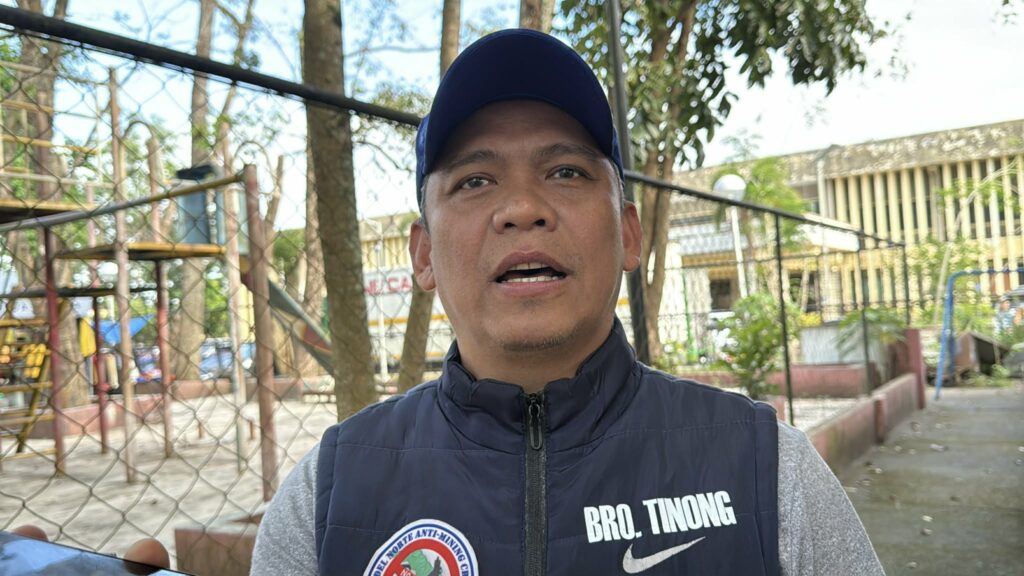
The dismissal has been hailed by environmental groups as a landmark victory for community‑based defenders. In a statement released after the ruling, Daynos expressed both relief and renewed determination that “This shows a very fair and just ruling, and it demonstrates that when justice prevails, people are happy and free to exercise their rights and show the world that we should not fear any challenge, especially when fighting for our land and for future generations. This is a huge victory for environmental defenders and anti‑mining groups—our shared win.”
Legal analysts note that the case underscores the importance of due process in disputes involving resource extraction. “When a writ of preliminary injunction is issued, its implementation must be clear, specific, and proportionate,” said a human‑rights lawyer based in Manila. “If authorities cannot pinpoint where the alleged violation occurred, it becomes impossible to establish criminal liability. This decision reinforces that procedural safeguards cannot be bypassed in the name of development.”
The incident also shines a light on the broader struggle over mining in Nueva Vizcaya, a province rich in mineral deposits but also home to indigenous communities whose ancestral lands are threatened by exploration activities. Over the past decade, several mining projects have faced stiff opposition from residents, who cite potential water contamination, deforestation, and loss of agricultural productivity.
As the seven freed advocates return to their communities, they stressed that they carry with them a renewed sense of purpose. “We will continue to monitor the mining exploration activities, document any violations, and speak out when needed,” Daynos affirmed. “Our fight is not over, but today’s decision shows that the law can be on our side when we stand together.”
The seven anti‑mining advocates said that their case serves as a potent reminder that justice, when applied with rigor and fairness, can protect both human rights and the environment. “This illustrates the delicate balance that must be struck between economic interests and the preservation of the environment—a balance that, for now, has tipped in favor of the people who call those lands home.” WITH REPORTS FROM LEANDER C. DOMINGO